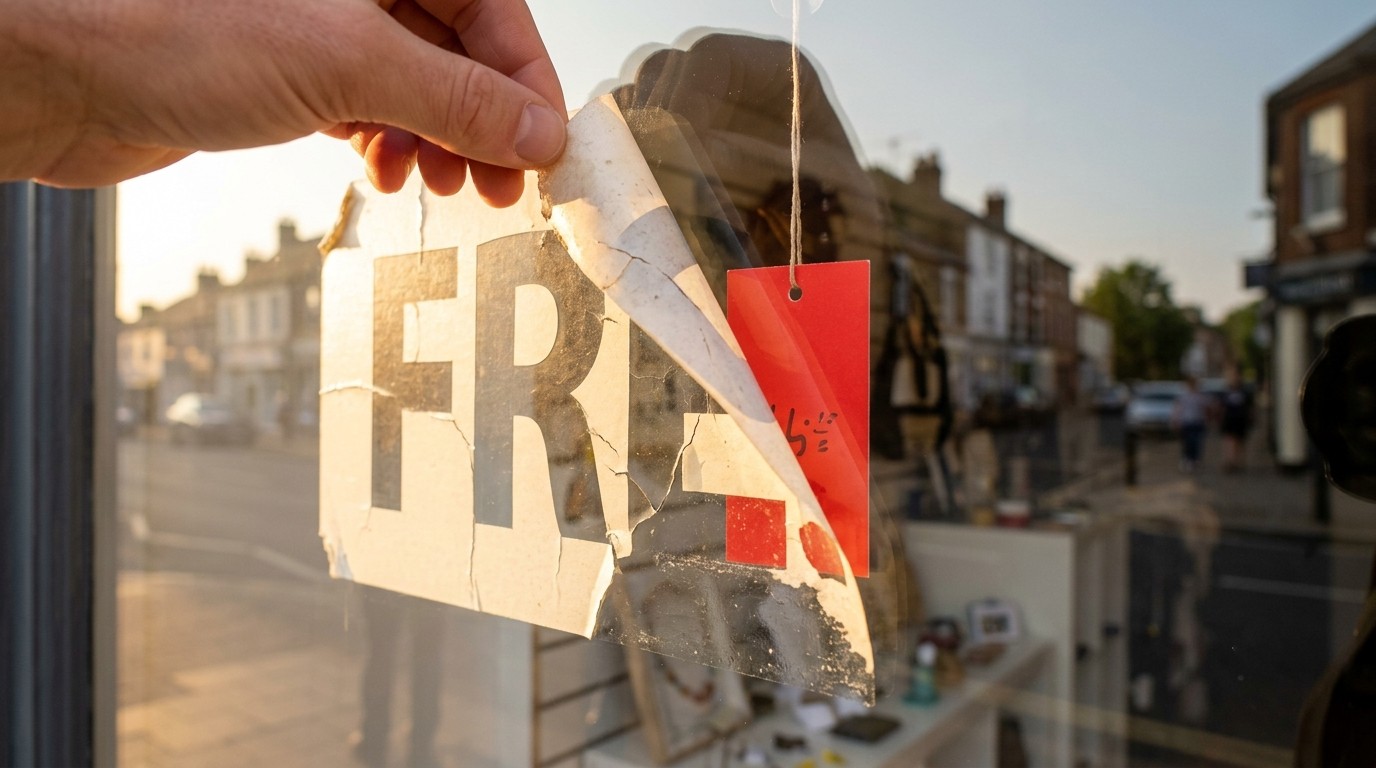
"Free cloud storage" is one of the most reassuring phrases in technology. Upload your photos, tick a box, and never think about it again. The trouble is that "free" and "forever" almost never turn out to be the same word, and by the time you notice, years of memories are sitting on the wrong side of a paywall.
I'm not being cynical. There's a pattern here, it's happened before, and once you've seen it you can't unsee it.
The classic example: Google Photos
For years, Google Photos offered free unlimited storage for your photos. Not 15 gigabytes. Unlimited. Millions of people happily poured their entire photo libraries in, exactly as they were encouraged to.
Then, on 1 June 2021, it ended. From that date, new photos count against the same 15GB that has to cover your Gmail and Google Drive too. Fill it, and you're invited to pay for Google One. The library you built during the "free forever" years is still there, but the door it came through has quietly closed behind you.
Why free tiers shrink
Storing billions of people's photos costs real money, every month, forever. A free tier is a marketing cost, and marketing costs get trimmed. So the familiar cycle runs like this:
Stage one: generous free storage attracts you in, and you upload everything.
Stage two: your library grows, quietly passing the point where moving it elsewhere feels like a chore.
Stage three: the free tier shrinks, or fills up, and a monthly plan appears at exactly the right moment.
Stage four: you pay, because the alternative is untangling years of memories from a service designed to make leaving hard.
What "free up to a point" really costs
Once you're paying, the numbers rise with your life. More children, more holidays, more 4K video, more storage, a bigger bill. Today, 2TB of cloud storage sits at roughly £8 to £10 a month across Google One, Apple iCloud+ and Dropbox alike. That's around £100 a year, every year, for as long as you want to keep your own photos, rising as your collection grows.
Compare that to how you used to own photographs: you paid once, for an album, and it sat on your shelf for fifty years asking nothing more of you.
The way out
There's nothing wrong with paying for a service you value. The problem is renting the one place your irreplaceable memories live, from a company that can change the price, the terms or the free tier whenever it likes.
The alternative is simply to own the storage again. Keep the master copy of your photos, films and music on a drive in your own home, that you paid for once, where no free tier can shrink and no monthly bill can climb. Use the cloud if you want to, for convenience, but as a copy, not as the only copy you've got.
That way "free forever" finally means what it says, because it's your drive, in your house, and nobody can send you an invoice for reaching your own photos.
Free at home actually means free
myUSBdrive turns a Raspberry Pi and any USB drive into private cloud storage and a media server for the whole house. No account, no monthly bill, no shrinking free tier. Buy the kit once, about £95, and it's yours.
See what you need to build yoursSources: Google Photos ended free unlimited storage on 1 June 2021 (CNBC). Current 2TB pricing from Google One and Apple iCloud+. Prices change over time, so check the latest before comparing.